


Emotional avoidance is rarely a topic we face openly. Most of us spend years weaving small habits, phrases, and gestures that allow us to slip away from discomfort. We rarely call this out. It becomes silent, so subtle and accepted that it might not even look like avoidance to us anymore. Yet, when we gently start to pay attention, something changes. We begin to question: what happens when these patterns become our default way of living?
The silent presence of emotional avoidance
Society values composure and control. At work, at home, even among friends, expressions like "I'm fine," "It's nothing," or "Let's move on" are received as maturity. However, these words often fill the spaces where honest feelings should be.
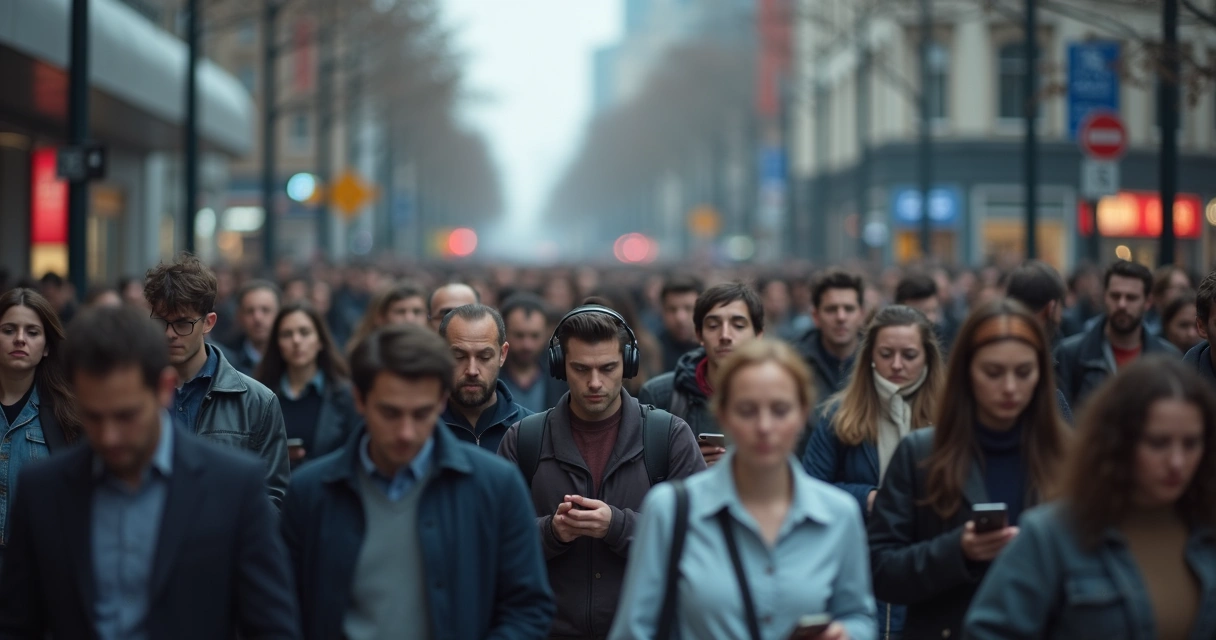
Subtle emotional avoidance hides in plain sight. It's in the way we scroll through our phones when loneliness appears. It's in laughter that replaces tears, in busyness that keeps us from stillness, in intellectual talk that covers wounded hearts.
Soft avoidance shapes our choices more than we admit.
According to research from the University of Twente, this kind of experiential avoidance plays a significant role in our mental health. When used as a recurring coping strategy, it can quietly feed psychological distress, especially when it becomes normalized as just "how life is."
Recognizing the ways we avoid
We have seen in many stories and conversations that emotional avoidance wears countless disguises. Understanding how it shows up is the first step to challenging it.
- Over-rationalizing: Turning to logic when faced with emotion, seeking explanations instead of letting ourselves feel.
- Distraction: Filling time with work, screens, noise, or tasks so we never have to sit alone with what’s inside.
- Joking or minimizing: Turning pain into humor, or dismissing what hurts as “not that bad.”
- Blaming: Placing responsibility for our feelings outside ourselves, onto others or circumstances.
- Avoiding triggers: Skipping places, people, or conversations that might bring up unwanted feelings.
The normalization of avoidance begins when these behaviors are no longer noticed, let alone questioned.
Over time, emotional avoidance can look like emotional flatness. We notice less joy, less sadness, fewer surprises, fewer genuine connections. Life feels safer but smaller.
Why do we normalize subtle avoidance?
In our experience, normalization happens quietly, over years. We learn as children that strong feelings are inconvenient or embarrassing. Families and schools sometimes reward concealment over honesty. At work, performance trumps vulnerability.
Many of us lack the vocabulary or support to name our inner life. Research from the University of Minnesota links alexithymia—trouble noticing or describing feelings—to increased avoidance strategies. When we can't name what hurts, we distract, deflect, or detach instead.
When we see everyone else doing the same, we silently agree: this is just how adults act.
Consequences of chronic emotional avoidance
Avoidance is not a victimless decision. It deeply influences our health, relationships, and decision-making. We may think we’re protecting ourselves from difficult feelings, but the cost is high.
- Physical tension and stress-related symptoms—headache, fatigue, digestive issues.
- Breakdown of genuine connection—shallow conversations, lost intimacy.
- Reduced resilience to future distress—we become less prepared for real challenges.
- Poorer self-knowledge—trouble understanding what we really want or feel.
Emotional avoidance can be self-reinforcing: the less we face, the less able we feel to face anything at all.
What we avoid today becomes harder to face tomorrow.
Steps for challenging subtle emotional avoidance
Facing emotional avoidance mindfully means bringing honesty to small moments. It is less like a dramatic confrontation and more like a shift in daily attitude. Here’s how we practice and suggest others do, too:
1. Naming the pattern
The first step is awareness. When we notice a sinking feeling, a rush to distract, or the urge to explain away a discomfort, we pause.
We gently ask ourselves: Are we dealing with the feeling, or dodging it?
2. Accepting feelings as they are
Avoidance is easiest when we label feelings as bad or wrong. Instead, we can treat every emotion like a message or a visitor. It may seem strange or even awkward at first, but just describing a feeling—without judgment—can reduce its control over us.
3. Allowing silence and stillness
We make time to be quiet, step away from distractions, and listen to what arises. For many, this is uncomfortable at first. That’s expected. Even five minutes a day is a way to shift the pattern.
4. Practicing honest communication
With people we trust, we replace automatic responses with more truthful ones. If we don’t know how we feel, we can say so. If we notice pain, we can name it softly, without drama. This opens new kinds of closeness.

5. Supporting emotional vocabulary
We build emotional literacy by learning new words for feelings, reading about emotions, or listening without judgment when others share. This creates a space where subtle avoidance loses its grip.
In families, teams, and communities, openness breeds more openness.
Conclusion
Challenging the normalization of subtle emotional avoidance is not about blaming ourselves or others. It means recognizing the patterns for what they are and daring to do something just a little different—sitting with discomfort, using new words, or pausing instead of running away. Day by day, these small acts bring greater self-understanding and kinder, more real connections.
When we challenge subtle avoidance, we give ourselves and those around us the gift of honest presence and lasting change.
Frequently asked questions
What is subtle emotional avoidance?
Subtle emotional avoidance means steering away from uncomfortable emotions through everyday habits or small behaviors that hide, numb, or distract from what is really felt. It is often unnoticed and can look like being too busy, over-rationalizing, making jokes, or minimizing what we feel. These patterns are less obvious than direct avoidance, but they limit emotional growth and honest connection.
How can I recognize emotional avoidance?
You can recognize emotional avoidance by looking for times when you quickly distract yourself from difficult emotions, explain away discomfort, or use humor or busy schedules to avoid facing what you really feel. Other signs include refusing to talk about certain topics, feeling numb, or habitually saying “I’m fine” when you’re not. It’s about paying attention to your default reactions during uncomfortable moments.
Why is emotional avoidance harmful?
Emotional avoidance can cause stress, prevent genuine relationships, and reduce your ability to cope with future hardships. Studies such as those from the University of Twente show that avoidance is linked to psychological distress, making people feel worse over time instead of better. It also leads to less self-understanding and growth.
How to stop normalizing emotional avoidance?
To stop normalizing emotional avoidance, start by bringing awareness to your habits and gently naming your emotions instead of hiding them. Allow yourself to feel and express what is inside, practice honest communication, and create time for quiet reflection. Over time, these steps build new patterns where emotions are acknowledged, not avoided.
What are examples of emotional avoidance?
Examples include scrolling through your phone when feeling sad or anxious, changing topics during a difficult conversation, laughing about pain instead of expressing it, or blaming others for how you feel. It may also mean avoiding situations or people that could trigger strong emotions, or keeping busy to not sit with your feelings.